October may mark the heart of autumn, but there is still plenty to keep gardeners busy. The ground retains much of the warmth from summer, while autumn rain provides valuable moisture, making this an excellent time for planting.
In fact, autumn can be thought of as a second spring. Planting spring-flowering bulbs now gives them time to establish before winter and means you can look forward to the first splashes of colour when spring arrives.
Whether you have a large garden, a small terrace or a balcony filled with containers, there are plenty of jobs to tackle in October. Here are 15 ideas to get you started.
World Animal Day - October 4th
October 4th is World Animal Day, making it a good opportunity to think about the animals that share your garden and home.
At Carpenters Nursery, you'll find treats, toys, beds and shelters for pets. You can also make your outdoor space more welcoming to birds as temperatures fall by putting out suitable food and providing feeding stations or nest boxes.
Birds can also be helpful garden visitors, feeding on pests such as slugs and caterpillars.
15 things to do in the garden and on your balcony in October
1. Get your spring bulbs in the ground
Now is the time to plant spring-flowering bulbs such as tulips, daffodils, crocuses, hyacinths and grape hyacinths. Planting them in autumn gives bulbs the cold period they need before producing flowers in spring. They can be planted directly into borders and lawns or grown in pots and containers, making them suitable for gardens and balconies alike.
2. Add plants that flower in autumn
The planting season isn't over yet. With the soil still relatively warm, October is a useful time to introduce plants that provide colour later in the year. Consider autumn favourites such as sedum, asters, Japanese anemones, monkshood, sneezeweed, black-eyed Susan and purple coneflower. They can add valuable colour to your garden as many summer flowers begin to fade.
3. Add ornamental grasses
Ornamental grasses can look particularly attractive in autumn. Their seed heads and flower spikes catch the lower autumn sunlight, while their movement in the breeze adds interest to the garden. Many varieties also retain their structure during winter. Compact grasses such as blue fescue and Japanese forest grass can be grown successfully in pots, making them a good option for terraces and balconies.
4. Plant evergreen shrubs and plants
If you want your garden to retain colour and structure throughout winter, evergreen shrubs are worth considering. Ivy, honeysuckle, periwinkle, barrenwort, conifers and yew are among the options available at Carpenters Nursery. October can be a suitable time to plant them while the ground is still workable.

5. Plant roses, shrubs and trees
Autumn is an excellent planting period for many shrubs and small trees. Getting them into the ground now gives their roots time to establish before spring growth begins. Roses and berry-producing shrubs can also be purchased as bare-root plants during the autumn and are often more economical than container-grown alternatives. For seasonal interest, look at plants that flower during winter or early spring, including witch hazel, winter jasmine and fruit trees.
6. Create an autumn display for your garden or balcony
Bring some seasonal colour to patios, balconies and garden tables with containers filled with winter pansies, chrysanthemums, heather, Skimmia, Gaultheria, Pernettya and autumn cyclamen. This can also be a great activity for children during the autumn holidays. Collect fallen leaves, conkers and beech nuts and use them to create a simple seasonal display. Ornamental cabbages, pumpkins and gourds can add the finishing touches.

7. Lift tender bulbs and tubers
Some plants need protection from winter temperatures. Dahlias, tuberous begonias and gladioli should be lifted after the first frost, once their foliage has been damaged by the cold. Remove excess soil carefully and allow the bulbs or tubers to dry before storing them somewhere cool, dry and protected from frost. They can then be planted again when spring returns.
8. Check and secure climbing plants
Autumn weather can bring strong winds and heavy rain, so check that climbing plants are securely supported. Climbing roses, clematis and honeysuckle can develop long, heavy stems that may be damaged if they are left loose. Tie them securely to their supports and check that existing ties are still doing their job. October is also a suitable time to prune roses, including shrub and standard roses.
9. Look after your lawn
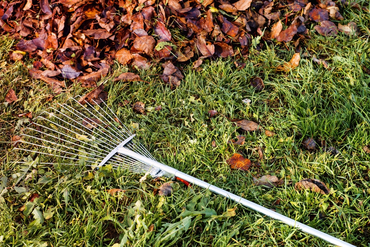
There is still time to sow a new lawn or repair areas that have become thin or bare. October conditions can be favourable for grass seed, while turf can also be laid. Continue mowing while the grass is growing, and remove fallen leaves regularly so they don't block light from reaching the lawn. You can also use fallen leaves in the compost or as protective mulch around plants that are vulnerable to frost. Alternatively, leave a pile of leaves in a quiet corner of the garden. It could provide shelter for wildlife such as hedgehogs, frogs and toads during winter.
10. Prepare your pond for autumn
Fallen leaves can quickly accumulate in ponds, so remove them regularly before they sink and decompose in the water. A pond net can help catch leaves as they fall. If you remove leaves or other vegetation from around the pond, leave them beside the water for a while before disposing of them. Small creatures and insects may be using them for shelter.

11. Clean out the gutters
Before autumn rain becomes more persistent, check your gutters and clear away accumulated leaves and debris. Keeping them clear allows rainwater to drain properly and helps reduce the risk of blockages, overflowing water and leaks.
12. Remove saucers from pots
As rainfall increases, check the containers around your garden and balcony. Water collecting beneath pots can leave plants sitting in saturated soil for too long. Remove water trays and saucers where appropriate, particularly for plants that are sensitive to excessive moisture. Good drainage helps reduce the risk of waterlogged compost and root problems.
13. Put out food and shelter for birds
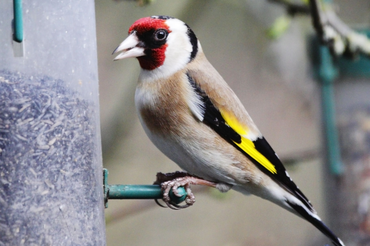
As natural food becomes harder for birds to find, autumn is a good time to introduce feeding stations, bird tables or feeding silos. If you already have nest boxes, give them a clean before winter. Use warm water, a brush and a mild natural soap, then allow the box to dry thoroughly. You can find a range of bird-feeding products and garden wildlife essentials at Carpenters Nursery.
14. Give your shed or garage an autumn tidy
Before you put away garden furniture and other seasonal items, take the opportunity to organise your shed, garage or storage area. Clean and check your garden tools, sharpen blades where necessary and make sure everything is stored somewhere dry. This will make it much easier to find what you need when the gardening season gets going again. It's also a good time to put away frost-sensitive ornaments, pots and other items that could be damaged by winter weather.
15. Don't forget your pets on World Animal Day
World Animal Day on October 4th is another reason to think about the animals in your life. We stock a selection of pet essentials, including treats, toys, beds, baskets and shelters. You'll also find food and feeding products for the birds that visit your garden.
There is still plenty to do in October
The arrival of autumn doesn't mean the end of gardening. From planting spring bulbs and adding autumn colour to preparing your lawn, pond and outdoor spaces for winter, October offers plenty of opportunities to enjoy your garden.
Use these 15 tips to make the most of the month and get your garden ready for the seasons ahead.
Visit our garden centre in St. Albans for plants, gardening supplies and everything else you need for your garden or balcony.