November is the month when gardens begin to wind down for winter. Trees lose their leaves, temperatures drop and many plants enter dormancy. However, there's still plenty to do in the garden!
From protecting plants against frost to planting spring bulbs, November is an important month for preparing your garden for the colder months ahead.
Follow these 15 gardening tips for November to keep your garden in good shape over winter and give it a head start for spring.
15 Gardening Jobs to Do in November

1. Clear Fallen Leaves
Fallen leaves can be useful in the garden, so don't throw them all away. Rake leaves from lawns, patios and paths, but consider leaving some in borders and underneath hedges. You can also pile them in a sheltered corner to create a valuable habitat for hedgehogs and insects.
Alternatively, collect healthy leaves to make leaf mould, which can be used as a soil improver.
2. Feed the Birds
Food becomes harder for birds to find as winter approaches. Put out bird feeders with suitable food, such as sunflower hearts, peanuts and seed mixes. Remember to keep feeders clean and provide fresh water where possible.
3. Protect Frost-Sensitive Plants
Some plants need extra protection when temperatures start to fall. Move tender potted plants into a greenhouse, conservatory or sheltered area. For plants that need to remain outdoors, use horticultural fleece or suitable protective covers to help guard against frost.
4. Prune Trees and Shrubs
November is a good time to remove dead, damaged or diseased branches from many established trees and shrubs. However, avoid pruning spring-flowering shrubs, as you could remove next year's flowers. Also check the pruning requirements of individual plants before getting started.
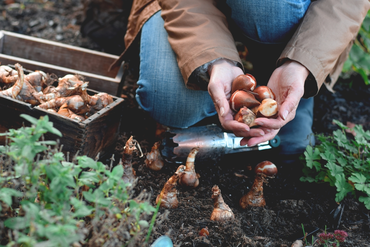
5. Plant Spring-Flowering Bulbs
It's not too late to plant many spring-flowering bulbs. Daffodils, crocuses, tulips and alliums can provide a beautiful display when spring arrives.

6. Give Your Lawn Its Final Mow
If the grass is still growing, give your lawn a final cut before winter. Raise the mower blades slightly to avoid cutting the grass too short. Remove fallen leaves regularly, as they can block sunlight and encourage lawn diseases.
Avoid mowing when the ground is waterlogged or frozen.
7. Prepare Your Soil for Winter
November is a good time to improve garden soil. Add well-rotted compost or organic matter to empty vegetable beds and borders. This helps improve soil structure and provides nutrients for future growth.
Avoid applying general-purpose fertiliser unnecessarily, as most plants need fewer nutrients during their dormant period.
8. Clean Patios and Garden Paths
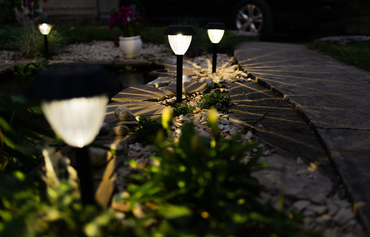
Wet weather and falling leaves can make patios and garden paths slippery. Remove accumulated leaves, moss and algae to keep outdoor surfaces safer.
Pay particular attention to shaded areas where moisture tends to collect.
9. Look After Your Garden Pond
Remove fallen leaves and dead plant material from your pond to prevent excess organic matter building up. A pond net can help keep leaves out of the water.
If you have fish, make sure they have suitable conditions as temperatures drop. Avoid disturbing the pond unnecessarily, and check that pumps and filters are suitable for winter use.
10. Protect Your Garden Furniture
Clean and dry garden furniture before storing it away for winter. If you don't have space indoors, use weather-resistant furniture covers.
Protecting wooden, metal and rattan furniture from prolonged exposure to rain and frost will help extend its lifespan.
11. Clean Your Greenhouse
Give your greenhouse a thorough clean before winter. Remove dead leaves, old plant pots and other debris, and wash the glass to allow as much natural light in as possible.
Check for damaged panes, loose fittings and gaps that could let in cold draughts. Clean pots and tools before storing them away.
12. Add Colour with Winter Plants
Your garden doesn't have to look bare during winter. Add hardy seasonal plants to containers, window boxes and hanging baskets.
Winter pansies, violas, cyclamen, heathers and ornamental cabbages are all good choices for adding colour to patios and balconies.
13. Turn Your Compost Heap
Give your compost heap a turn to improve airflow and help the materials break down. Add fallen leaves, vegetable peelings and other suitable garden waste.
Composting is a great way to recycle garden waste and produce nutrient-rich organic matter for use in your garden next year.
14. Plan Your Garden for Next Year
November is an ideal time to think about what you'd like to change or improve in your garden.
Look back at what worked well during the growing season and consider which plants you'd like to introduce next year. You can also start ordering seeds, planning new borders and thinking about where to grow vegetables.
A little planning now can make spring gardening much easier.
15. Take Time to Enjoy Your Garden
Gardening isn't always about digging, pruning and planting. Take some time to enjoy your outdoor space, even as the weather gets colder.
Wrap up warm, make yourself a hot drink and enjoy the fresh autumn air. Your garden might be quieter, but there's still plenty to appreciate.
Why Fallen Leaves Are Good for Your Garden

Fallen leaves are one of the most valuable natural resources in your garden during autumn. Rather than clearing every leaf away, think about how you can put them to good use.
Leaves can be left around established plants and shrubs to provide a natural mulch. This helps protect the soil, retain moisture and support beneficial insects and other wildlife.
You can also collect leaves in a separate pile or leaf bin to make leaf mould. Given enough time, this breaks down into a valuable soil conditioner that can be used around plants and in garden borders.
Just remember to remove thick layers of leaves from your lawn, as they can block sunlight and damage the grass.
Preparing Your Garden Pond for Winter
If you have a garden pond, November is a good time to prepare it for colder weather.
Remove fallen leaves, dead foliage and other debris before they have a chance to accumulate at the bottom. A pond net can help prevent leaves from entering the water in the first place.
Check your pump and filtration system, too. If you have fish, make sure you understand the winter care requirements for your particular pond and equipment.
Good pond maintenance in autumn will help keep the water in better condition throughout winter.
Looking After Your Lawn in November

Your lawn needs a little attention before winter arrives. Continue to remove fallen leaves and clear away dead grass and other debris.
If the ground isn't too wet or frozen, November can also be a good time to aerate compacted areas of lawn. This helps improve drainage and allows air to reach the grass roots.
Avoid heavy lawn treatments during cold weather, and don't worry if your grass stops growing as temperatures fall. It will naturally begin growing again when spring arrives.
Get Your Garden Ready for Winter
November is an important month for garden maintenance. From clearing fallen leaves and protecting vulnerable plants to planting spring bulbs and looking after your lawn, there are plenty of jobs to keep you busy.
A little preparation now can make a big difference when spring arrives.
Visit our garden centre in St. Albans for everything you need to prepare your garden for winter, including gardening tools, spring-flowering bulbs, winter plants and seasonal decorations.
Get started now and look forward to a healthy, colourful garden next spring!