Now is the perfect time to start fertilising your garden plants. You may be wondering why plants need extra nutrients, which fertiliser to choose, and how best to apply it. Knowing when and how to feed your plants can make a real difference to their health and performance throughout the growing season.
Fertilisers support plants at every stage of growth, from producing fresh buds to developing flowers and fruit. As plants grow, they use up nutrients stored in the soil and require plenty of energy to build strong roots and healthy leaves for photosynthesis. Adding fertiliser helps replace these nutrients and ensures your plants have everything they need to thrive.
When is the right time to fertilise garden plants?
It’s important to remember that fertiliser isn’t essential for keeping plants alive — it’s used to encourage stronger growth and better results.
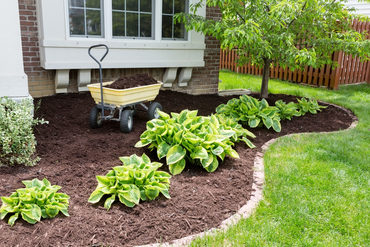
- If you regularly mulch your beds and borders and maintain healthy soil, additional fertiliser may not always be necessary. Plants naturally grow best in rich, well-cared-for soil.
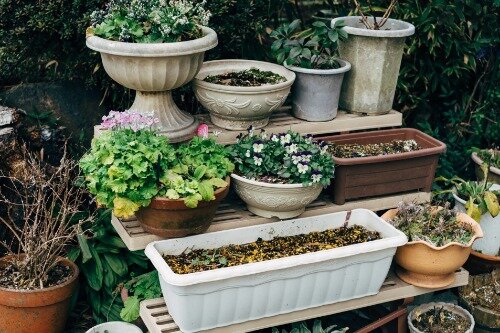
- However, plants grown in pots and containers will usually need feeding throughout the growing season, as nutrients are quickly used up or washed away.
- The best time to start fertilising is when plants begin active growth in spring and continue through summer. Feeding should stop as plants reach the end of their growing season.
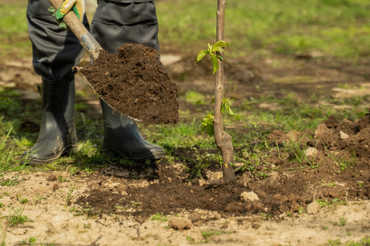
- Trees and shrubs typically only need feeding once a year in early spring, and often not at all. Fertilisers are most commonly used for fruit, vegetables, and bedding plants.
Which fertilisers should you use?
There are many options available, from natural soil improvers to more concentrated feeds.
Organic materials such as garden compost, well-rotted manure, mushroom compost, and seaweed help improve soil health while providing nutrients.
Other common fertiliser types include:
- Synthetic fertilisers — concentrated nutrients available as pellets, granules, powders, or liquids.
- Controlled-release fertilisers — coated granules that slowly release nutrients as water passes through them.
- Slow-release fertilisers — often organic products that break down gradually over time.
Liquid fertilisers are also popular and easy to apply. These include seaweed-based or plant-based feeds that are mixed with water. You can even make your own natural feed by soaking comfrey or nettle leaves in water and applying the diluted liquid to plants.
How to apply fertiliser
Application methods vary depending on the product, so always read the instructions carefully. Some fertilisers need diluting, while others are applied directly to the soil or mixed in during planting.
Avoid overfeeding, as too much fertiliser can harm plants. It’s also important to choose products that are safe for wildlife, pets, and children.
We stock a wide range of fertilisers in store, and our team is always happy to help you choose the right option for your garden. Visit our garden centre in St Albans to find out more.